

“7 Timber Maintenance Tasks You Shouldn’t Skip at the Start of the Year”
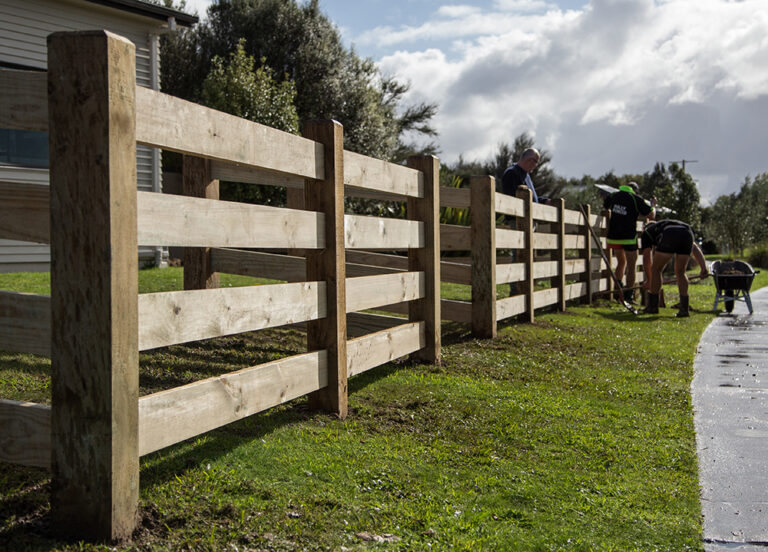
The start of a new year is the perfect time to check in on your outdoor timber. After months of intense sun, heat, and humidity, timber structures like fences, gates, bollards, decks, and posts can quietly develop issues that worsen over time if left unresolved.
A few simple maintenance tasks now can prevent rot, warping, and costly replacements later. Here are seven essential timber maintenance tasks every property owner should prioritise at the beginning of the year.
1. Inspect All Timber Structures Thoroughly
Before picking up any tools or treatments, take time to inspect all exposed timber around your property.
Look for:
- Dark patches or green growth indicating fungus or mould
- Soft spots near ground contact
- Rusting or loose fixings (if applicable)
- Leaning posts or sagging rails
Pay extra attention to shaded and damp areas, as these are where problems often start.
2. Clean Timber Surfaces Properly
Dirt, algae, mould, and surface grime can trap moisture and accelerate timber decay.
Cleaning helps:
- Restore appearance
- Improve effectiveness of treatments
- Prevent fungus from spreading
Use a soft brush or low-pressure wash and avoid aggressive blasting, which can damage timber fibres.
3. Treat for Fungus, Mould, and Mildew
New Zealand’s climate is ideal for fungal growth, especially in summer and early autumn.
Apply a timber-safe fungicide or mould treatment if you notice:
- Black or green staining
- Slippery surfaces
- Musty odors near timber structures
Early treatment stops decay before it penetrates deeper into the timber.
4. Check Ground Contact Areas Carefully
Timber posts and structures that touch the ground are the most vulnerable to rot.
Inspect:
- Fence posts at soil level
- Gate posts under constant movement
- Bollards exposed to moisture and traffic
If rot is caught early, repairs or reinforcement may be possible. Severe decay may require post replacement using properly treated timber (H4 or H5 where applicable).
5. Re-tighten Fixings and Hardware (if applicable)
Over time, timber expands and contracts with temperature and moisture changes.
Check and tighten:
- Nails and screws
- Gate hinges and latches
- Brackets and fasteners
Loose hardware can compromise structural integrity and lead to premature failure if ignored.
6. Refresh with Oil, Stain, or Paint
Protective coatings are essential for long-term timber health.
Benefits include:
- UV protection
- Moisture resistance
- Improved appearance
If your timber looks faded, dry, or patchy, it’s time for a refresh. Always allow timber to dry fully after cleaning or treatment before applying coatings.
7. Repair, Realign, or Replace Damaged Sections
Not all damage means full replacement. Small repairs done early can extend the life of your timber significantly.
Consider:
- Replacing individual rails or boards
- Re-aligning leaning sections
- Reinforcing posts where movement has occurred
If multiple areas are failing, replacement with high-grade timber may be the most cost-effective solution long-term.
Final Thoughts
Regular timber maintenance protects your investment and keeps your property looking its best. Starting the year with these seven tasks ensures your timber structures are strong, safe, and ready to face the seasons ahead.