

"Why Fence Alignment Matters (And How to Fix a Leaning Fence)"
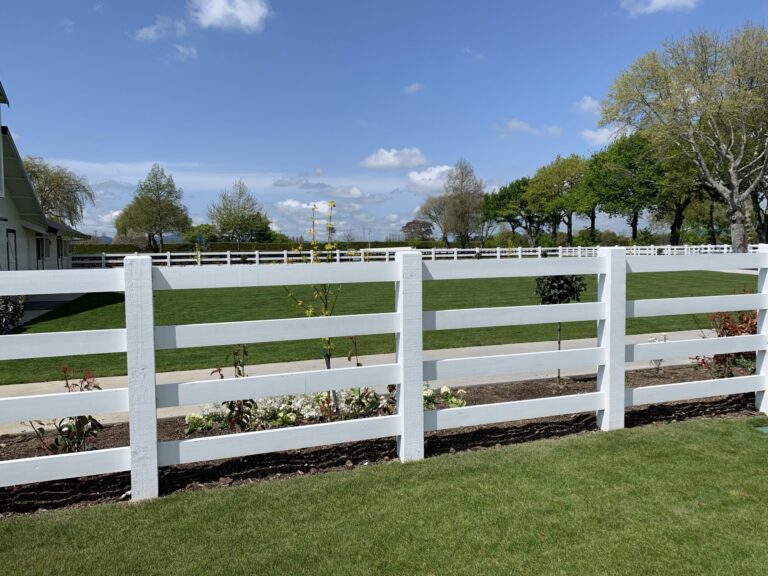
A leaning fence is more than just an eyesore—it’s a warning sign. Misaligned fences are weaker, more vulnerable to wind damage, and more likely to fail over time. Understanding why fence alignment matters and how to fix issues early can save time, money, and frustration—especially before wetter months arrive.
Why Fence Alignment Is So Important
A properly aligned fence ensures:
- Even weight distribution
- Structural stability
- Resistance to strong winds
- Longer lifespan
When a fence leans, pressure shifts to fixings and posts, accelerating wear and increasing the risk of collapse.
Common Causes of Leaning Fences
1. Soil Movement
Seasonal moisture changes can cause soil to expand or contract, loosening post foundations.
2. Inadequate Post Depth or Treatment
Shallow or untreated posts degrade faster, especially in wet ground.
3. Wind and Weather Exposure
Strong winds place constant stress on fences—particularly in open or coastal areas.
4. Age and Timber Fatigue
Older timber naturally weakens over time, especially if maintenance has been minimal.
How to Assess the Severity of a Lean
Ask yourself:
- Is only one post affected or multiple?
- Is the post still solid at ground level?
- Has the fence moved suddenly or gradually?
Minor alignment issues can often be fixed, while severe movement may require replacement.
How to Fix a Leaning Fence
Step 1: Secure the Area
Temporary bracing prevents further movement while repairs are made.
Step 2: Reset or Reinforce Posts
Options include:
- Re-digging and resetting posts
- Adding concrete footings
- Reinforcing with additional supports
Step 3: Replace Rotten or Weak Posts
If timber shows rot at ground level, replacement is usually necessary. Use appropriately treated timber for longevity.
Step 4: Re-align Rails and Panels
Once posts are stable, reattach rails and ensure everything is level and secure.
When Replacement Is the Smarter Choice
Fence replacement may be best if:
- Multiple posts are failing
- Timber is structurally compromised
- Repairs would be repeated and costly
High-grade, treated timber ensures the new fence stands strong for years to come.
Final Thoughts
Fence alignment isn’t just about looks—it’s about safety, durability, and long-term performance. Addressing alignment issues early keeps your fence strong through changing seasons.